
The Next Generation of CCTV Systems Will Focus on Operational Intelligence, Not Just Security
A security camera records what happened. An intelligent monitoring system helps businesses understand why it happened and what should happen next. That difference is becoming increasingly important for enterprises managing multiple locations, complex operations, and rising compliance expectations.
Many organizations already have extensive camera infrastructure, yet much of the recorded footage is only reviewed after an incident. This reactive approach can delay investigations, increase operational costs, and leave recurring issues unresolved. As business priorities evolve, enterprises are looking beyond security and using video data to improve operational performance, workplace efficiency, and decision-making.
This shift is redefining the role of CCTV systems. Instead of serving solely as security tools, they are becoming valuable sources of operational intelligence that support everyday business activities.
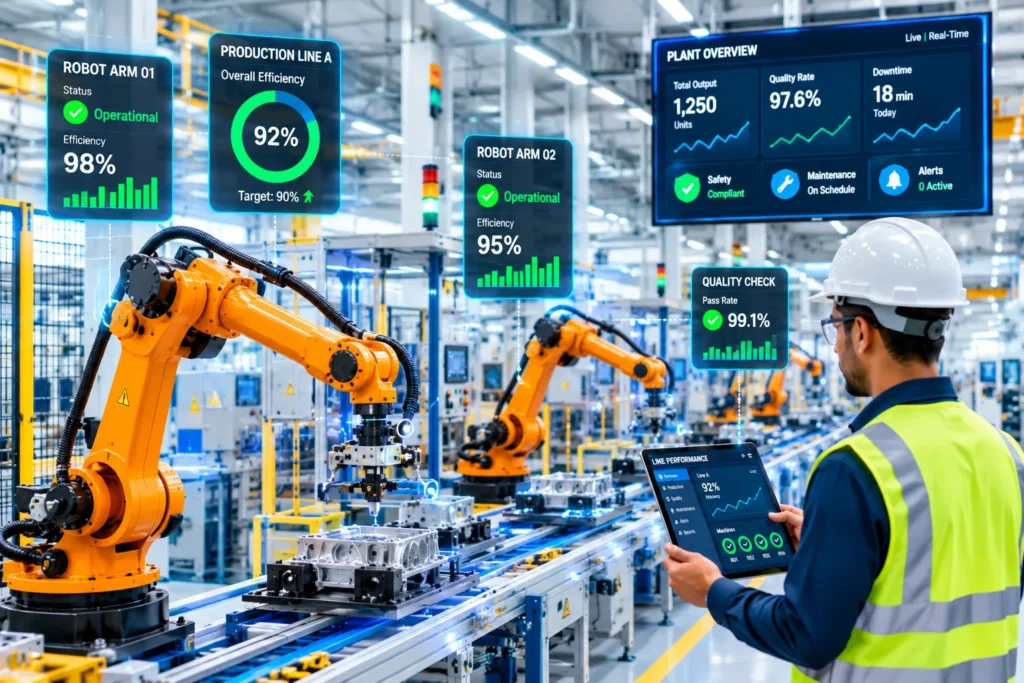
Why Conventional CCTV Systems Are Inadequate
Conventional CCTV systems are effective for recording events, deterring theft, and supporting investigations. However, they often rely on manual monitoring and post-event video evaluations.
For businesses operating across retail stores, manufacturing facilities, warehouses, healthcare centers, or corporate campuses, relying only on recorded footage presents several challenges:
- Delayed identification of operational issues
- Time-consuming video searches
- Limited visibility into process compliance
- Difficulty monitoring multiple sites simultaneously
- Inconsistent reporting across locations
Instead of just storing video, these constraints push organisations to look for solutions that offer meaningful information.
How Operational Intelligence Changes the Role of Video Monitoring
Operational intelligence transforms video streams into business insights. Instead of asking, “What happened yesterday?” organizations can answer questions such as:
- Which operational processes are slowing production?
- Are employees following standard operating procedures?
- Which retail locations experience frequent customer congestion?
- Where are safety violations occurring most often?
- Which facilities require immediate management attention?
Using AI Video Analytics and Computer Vision, video becomes a continuous source of operational data instead of a passive recording system.
Businesses can frequently improve their present infrastructure with sophisticated analytics that produce insightful alerts and reports rather than replacing their current cameras.
Business Areas That Benefit Beyond Security
Operational intelligence supports departments throughout an organization, not just security teams.
Business Function | Operational Value |
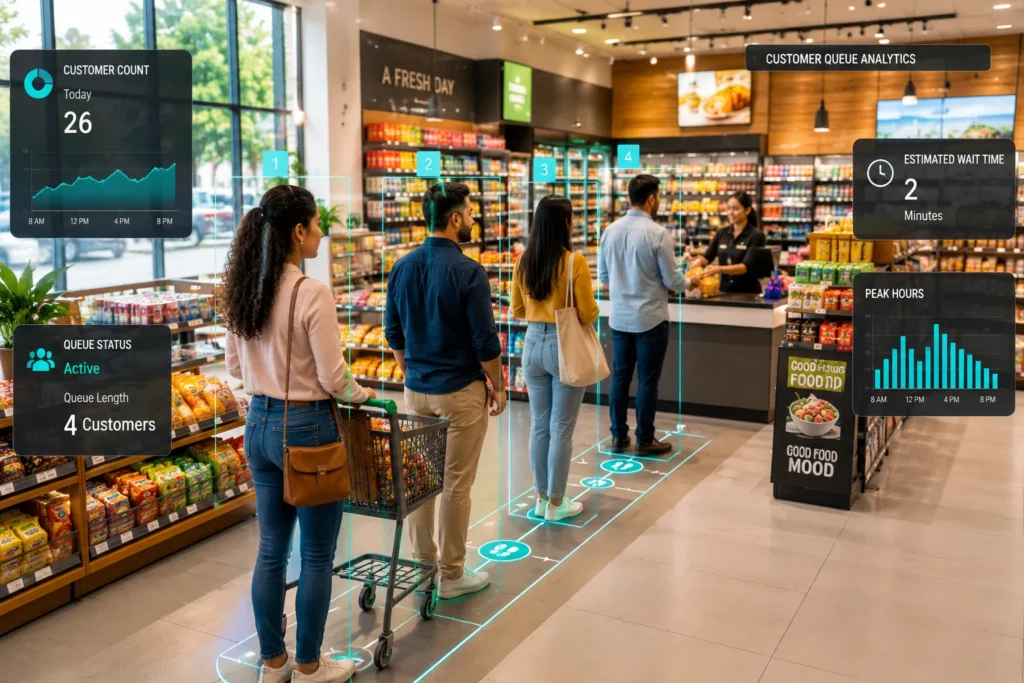
Retail | Queue monitoring, shelf availability, customer movement analysis |
Manufacturing | SOP Monitoring, production workflow visibility, equipment interaction |
Warehousing | Dock activity tracking, loading verification, workflow optimization |
Healthcare | Restricted area monitoring, patient flow visibility, hygiene compliance |
Corporate Offices | Occupancy analysis, visitor management, workspace utilization |
Moving From Alerts to Operational Decisions
The next generation of intelligent monitoring is not about generating more alerts. It entails giving the right people the right information at the right moment.
An operations manager might be notified, for instance, when:
- Loading bays remain occupied beyond expected schedules.
- Production lines experience repeated workflow interruptions.
- Employees skip mandatory operational steps.
- Checkout queues exceed predefined thresholds.
- Safety equipment is not being used in designated areas.
What Enterprises Should Evaluate Before Upgrading
Before investing in intelligent video monitoring, organizations should evaluate how well a solution supports operational goals rather than focusing only on surveillance features.
Consider these evaluation criteria:
- Compatibility with existing camera infrastructure
- Real-Time Analytics for immediate incident detection
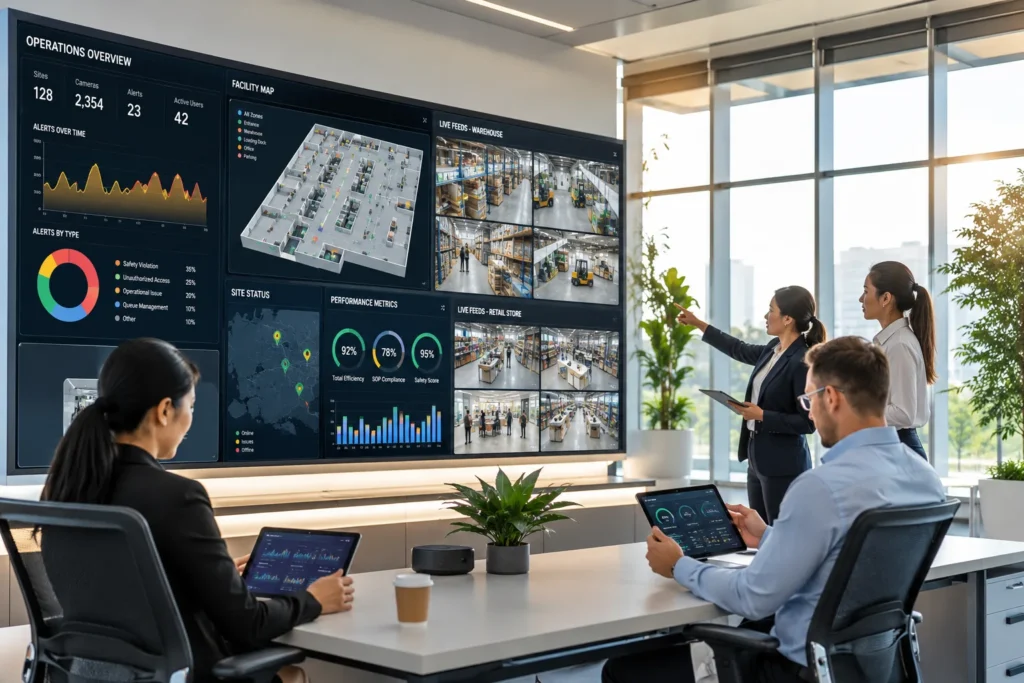
- AI Dashboards with operational reporting
- Compliance Monitoring capabilities
- Multi-site management from a centralized platform
- Flexible alert configuration for different departments
- Integration with incident management or CAPA workflows
- Scalable deployment across expanding business locations
Operational Intelligence Across Industries
Operational intelligence is being adopted across diverse industries because operational challenges vary from one sector to another.
Retail companies utilise retail analytics to better evaluate customer flow and make hiring decisions.
Manufacturers rely on Smart Manufacturing initiatives to identify production bottlenecks and monitor process adherence.
Event monitoring is used by logistics firms to decrease cargo delays and increase loading efficiency.
Healthcare providers use Intelligent Operations to support patient movement, restricted-area access, and operational compliance.
Across all industries, the common objective is to convert visual information into measurable operational improvements.
From Monitoring Events to Improving Performance
Intelligent monitoring is useful for more than just identifying isolated problems. Historical analytics reveal recurring operational patterns that may otherwise remain unnoticed.
Examples include:
- Frequently delayed operational processes
- Repeated safety non-compliance in specific work zones
- High-traffic periods requiring additional staffing
- Underutilized work areas
- Recurring maintenance-related disruptions
These insights help management prioritize improvements based on operational evidence instead of assumptions.
Looking Ahead
The future of CCTV systems is not defined by higher camera resolutions or larger storage capacity. It is defined by the ability to transform visual data into practical business intelligence.
As AI Automation, Edge Analytics, Enterprise AI, and Operational Intelligence continue to mature, organizations can extend the value of their existing camera infrastructure beyond security. Businesses that use video to improve workflows, strengthen compliance, optimize resources, and support informed decision-making will gain greater value from every camera they already own.
FAQs
How is operational intelligence different from traditional CCTV monitoring?
Traditional CCTV records events for later review, while operational intelligence analyzes video in real time to generate insights that improve business operations and decision-making.
Can existing CCTV cameras support operational intelligence?
In many cases, yes. AI-powered analytics platforms can often integrate with existing camera infrastructure, reducing the need for complete hardware replacement.
Which industries benefit the most from operational intelligence?
Retail, manufacturing, warehousing, healthcare, transportation, corporate offices, and logistics are among the industries that benefit from operational insights generated through video analytics.
Does operational intelligence only help security teams?
No. Operations, compliance, quality assurance, facility management, and executive leadership can all use operational insights to improve efficiency and performance.
What is the biggest advantage of AI-powered operational monitoring?
The greatest advantage is the ability to identify operational issues early, enabling faster corrective actions, improved resource utilization, and more consistent business processes.