
Operational Excellence Begins with Continuous AI-Based Event Monitoring
An unexpected machine stoppage delays production for two hours. A loading dock remains congested throughout the morning shift. A restricted area is accessed without authorization, but the incident is discovered only during a routine review. These situations often have one thing in common—they are identified after they have already disrupted operations.
Operational excellence depends on recognizing important events as they happen, not after they have affected productivity, quality, or resource utilization. Continuous AI-based event monitoring helps organizations move beyond reactive operations by providing ongoing visibility into critical business activities. Instead of relying on manual observation or scheduled inspections, enterprises can continuously monitor operational events and respond with greater speed and consistency.
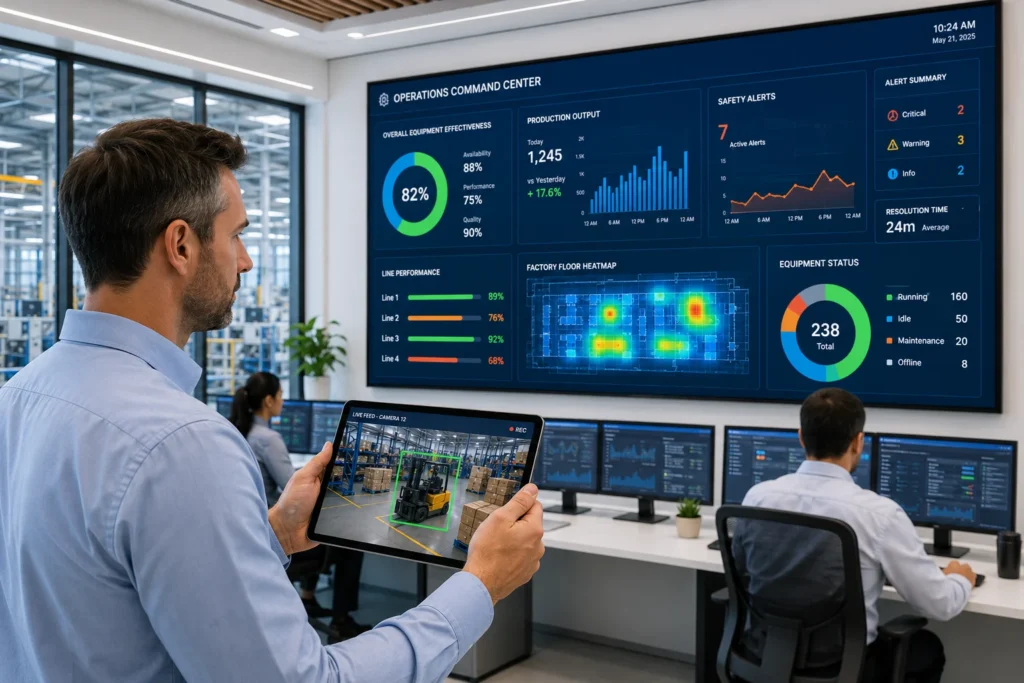
The Four Stages of Operational Maturity
Organizations typically progress through four distinct stages before achieving operational excellence.
Stage 1: Reactive Operations
At this stage, operational issues are usually identified after employees report them or after production metrics begin to decline. Video recordings, maintenance logs, and manual investigations are used to understand what happened, often after valuable time has been lost.
Stage 2: Event Visibility
The next step introduces AI Video Analytics and Computer Vision to detect predefined operational events automatically. Instead of reviewing hours of recorded footage, supervisors receive alerts when significant activities occur, allowing them to focus on situations requiring immediate attention.
Stage 3: Intelligent Response
As monitoring capabilities mature, AI systems begin prioritizing events based on operational impact. High-priority incidents are escalated immediately, while lower-priority observations are documented for trend analysis. This improves response efficiency without overwhelming operational teams.
Stage 4: Operational Excellence
Continuous monitoring becomes an integral part of daily operations. AI-generated insights support production planning, maintenance scheduling, warehouse coordination, quality improvement, and operational decision-making across multiple facilities.
What Should Organizations Monitor Continuously?
Operational excellence is built by monitoring activities that directly influence business performance.
Examples include:
- Production line interruptions.
- Equipment utilization and idle time.
- Material handling activities.
- Loading dock congestion.
- Unauthorized access to operational zones.
- Vehicle and forklift movement.
- Workflow bottlenecks.
- Standard operating procedure deviations.
Focusing on high-value operational events enables organizations to improve efficiency without generating unnecessary alerts.
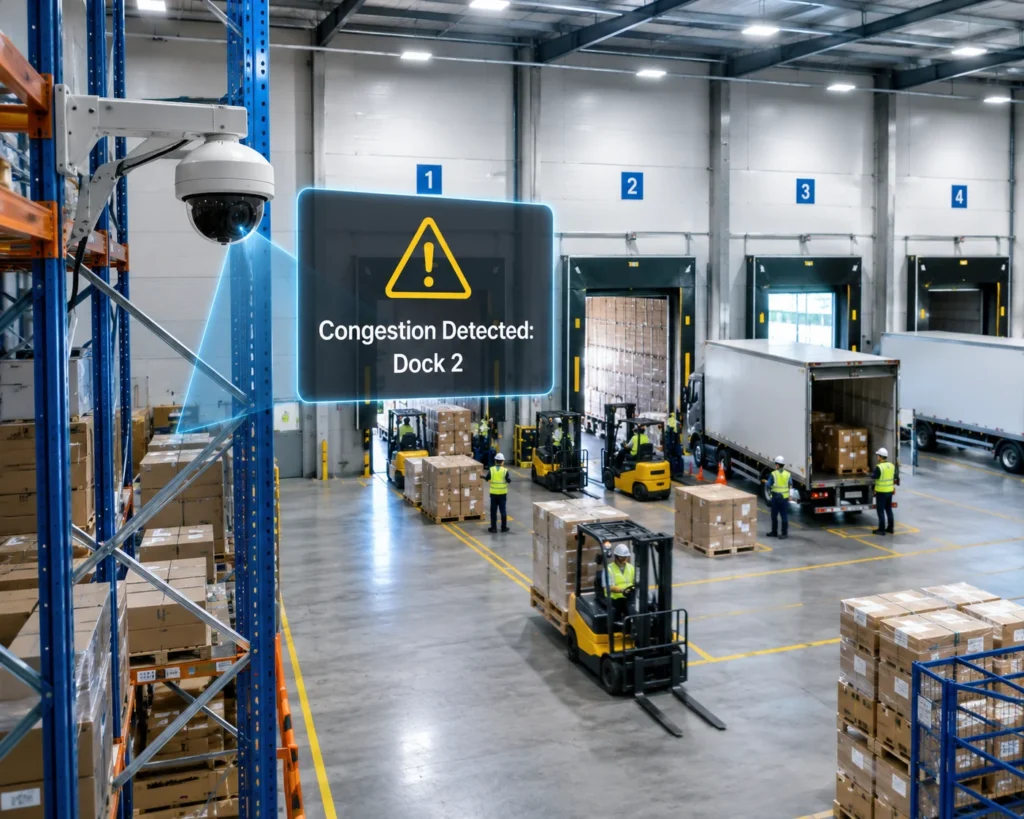
Creating a Continuous Monitoring Environment
Continuous event monitoring combines several technologies into a connected operational workflow.
Computer Vision interprets live visual information from industrial cameras, while AI Video Analytics identifies operational activities that require attention. Edge AI processes time-sensitive events close to the source, reducing response latency and minimizing unnecessary network traffic.
Relevant operational data is then consolidated through AI Dashboards, allowing supervisors to monitor facility performance from a centralized interface. Operational Intelligence platforms analyze recurring patterns across locations, supporting informed business decisions and continuous process improvement.
Rather than functioning independently, these technologies work together to create a continuous operational feedback loop.
Measuring Operational Excellence
Organizations should evaluate AI-based event monitoring using measurable operational outcomes instead of simply counting detected events.
Meaningful performance indicators include:
Operational Metric | Expected Improvement |
Response time to operational incidents | Faster identification and action |
Equipment availability | Reduced unplanned downtime |
Production continuity | Fewer workflow interruptions |
Dock operations | Improved vehicle movement and scheduling |
Process consistency | Reduced operational deviations |
Investigation effort | Less manual video review |
These measurements help demonstrate how continuous monitoring contributes to overall operational performance.
Building a Sustainable Monitoring Strategy
Successful organizations expand monitoring gradually rather than attempting enterprise-wide deployment from the beginning.
A practical approach includes:
- Identifying operational processes with the greatest business impact.
- Establishing measurable performance objectives.
- Validating AI detection accuracy.
- Integrating alerts with operational workflows.
- Reviewing monitoring results regularly.
- Expanding coverage based on proven business outcomes.
This phased strategy supports long-term adoption while minimizing disruption to existing operations.
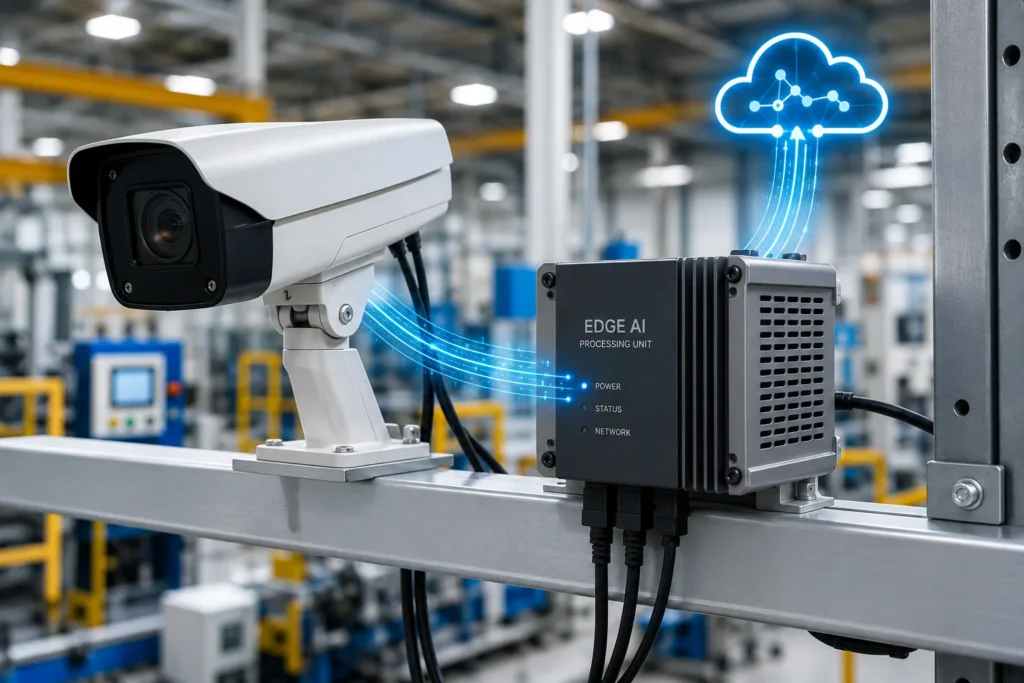
From Continuous Observation to Continuous Improvement
Operational excellence is not achieved through occasional inspections or isolated performance reviews. It develops when organizations consistently understand what is happening across their facilities and respond before small operational issues become significant business challenges.
Continuous AI-based event monitoring provides that ongoing visibility by transforming operational activities into actionable insights. As AI Video Analytics, Computer Vision, Edge AI, Operational Intelligence, and AI Automation continue to evolve, enterprises will increasingly rely on continuous monitoring to improve productivity, optimize resources, and strengthen operational resilience.
Frequently Asked Questions
What is continuous AI-based event monitoring?
It is the continuous observation of operational activities using artificial intelligence to detect significant events, generate alerts, and provide actionable insights in real time.
How does continuous monitoring differ from traditional surveillance?
Traditional surveillance primarily records video for later review, while AI-based monitoring continuously analyzes live activities and identifies operational events as they occur.
Which operational events deliver the greatest business value when monitored?
Events such as equipment stoppages, workflow bottlenecks, unauthorized access, loading dock congestion, material movement, and process deviations often provide the highest operational value.
How can organizations avoid excessive AI alerts?
By defining clear monitoring objectives, prioritizing high-impact operational events, and configuring alert thresholds based on business requirements rather than monitoring every activity.
Is continuous AI monitoring suitable for multi-site enterprises?
Yes. Centralized dashboards allow organizations to monitor operational performance across multiple facilities while maintaining local visibility into individual sites.
What is the first milestone organizations should aim for after implementing AI event monitoring?
The initial goal should be achieving consistent visibility into one high-priority operational process, validating measurable improvements, and then expanding monitoring to additional workflows based on proven results.