
AI-Powered Cement, Steel, and Heavy Engineering Plant Monitoring Solutions
Consistency Is the Foundation of Heavy Industrial Production
Heavy industries operate under conditions where production must remain stable for extended periods. Cement kilns run continuously, steel production follows tightly synchronised processing stages, and heavy engineering facilities coordinate large-scale fabrication, machining, and assembly activities. Even a short interruption can influence production schedules, energy consumption, maintenance planning, and delivery commitments. Maintaining consistency therefore becomes as important as achieving production targets.
AI-powered monitoring introduces an additional layer of operational awareness by combining AI Video Analytics, Computer Vision, Edge AI, and Industrial AI with existing manufacturing systems. Rather than replacing plant automation, it provides visual intelligence that helps organisations understand how daily operations are actually unfolding across the facility.
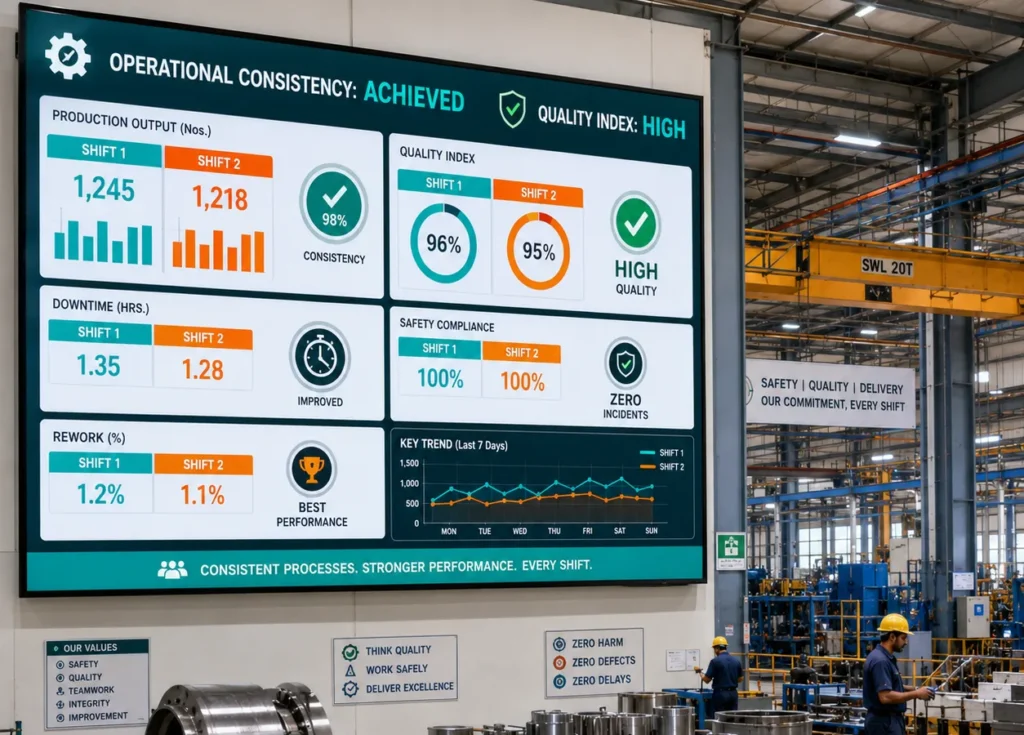
Small Operational Changes Often Lead to Bigger Business Impacts
Production losses are rarely caused by a single major incident. More often, they result from a series of smaller operational changes that gradually affect manufacturing performance.
Operational Change | Possible Business Impact | AI Monitoring Purpose |
Delayed material movement | Reduced production throughput | Detect developing bottlenecks |
Equipment waiting for inputs | Increased idle time | Observe workflow continuity |
Unsafe movement around machinery | Higher operational risk | Improve Workplace Safety |
Process deviations | Product quality variation | Support process consistency |
Delayed dispatch activities | Missed delivery schedules | Improve logistics coordination |
Recognising these operational changes early enables production teams to respond before they influence plant performance.
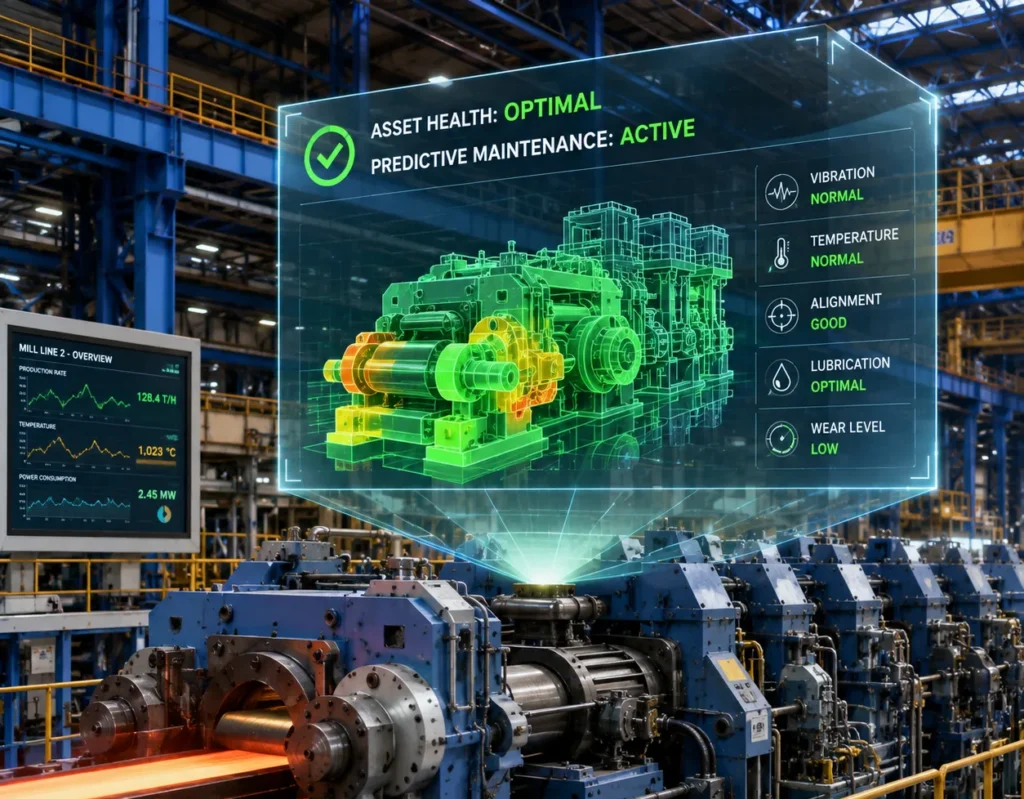
Looking Beyond Machines to Understand Plant Behaviour
Industrial automation systems continuously report machine status, temperatures, pressures, and production parameters. However, they cannot always explain why production slows down or how operational conditions have changed.
Computer Vision provides additional context by observing interactions that traditional automation cannot measure, including:
- Movement of personnel across operational zones.
- Material transfers between production stages.
- Vehicle activity around loading and unloading areas.
- Equipment accessibility during maintenance.
- Compliance with defined operating procedures.
- Changes in work area utilisation throughout the shift.
This broader operational perspective helps managers connect physical plant activities with production performance.
Improving Decision Quality Across Every Shift
Plant supervisors make hundreds of operational decisions during each production cycle. Access to timely visual information allows these decisions to be based on actual plant conditions rather than assumptions.
Daily Decision | Information Required | Operational Advantage |
Adjust production priorities | Current workflow conditions | Faster operational response |
Allocate maintenance resources | Equipment activity trends | Better maintenance planning |
Manage shift transitions | Significant operational events | Improved continuity between teams |
Review safety performance | Workplace observations | Stronger compliance oversight |
Evaluate production stability | Historical operational patterns | Better long-term planning |
Providing operational context alongside manufacturing data creates a stronger foundation for daily decision-making.
Building a More Predictable Industrial Environment
Production consistency depends on disciplined operations, not just advanced machinery. AI-powered monitoring helps establish repeatable operating conditions by continuously observing workplace activities that influence safety, productivity, and process reliability.
Key operational capabilities include:
- Monitoring adherence to standard operating procedures.
- Detecting unusual activity near critical production assets.
- Supporting Compliance Monitoring across manufacturing areas.
- Improving awareness around heavy equipment operations.
- Documenting operational events for performance reviews.
- Identifying recurring workflow disruptions.
Rather than reacting to isolated incidents, manufacturers gain the ability to understand recurring operational patterns that influence long-term performance.
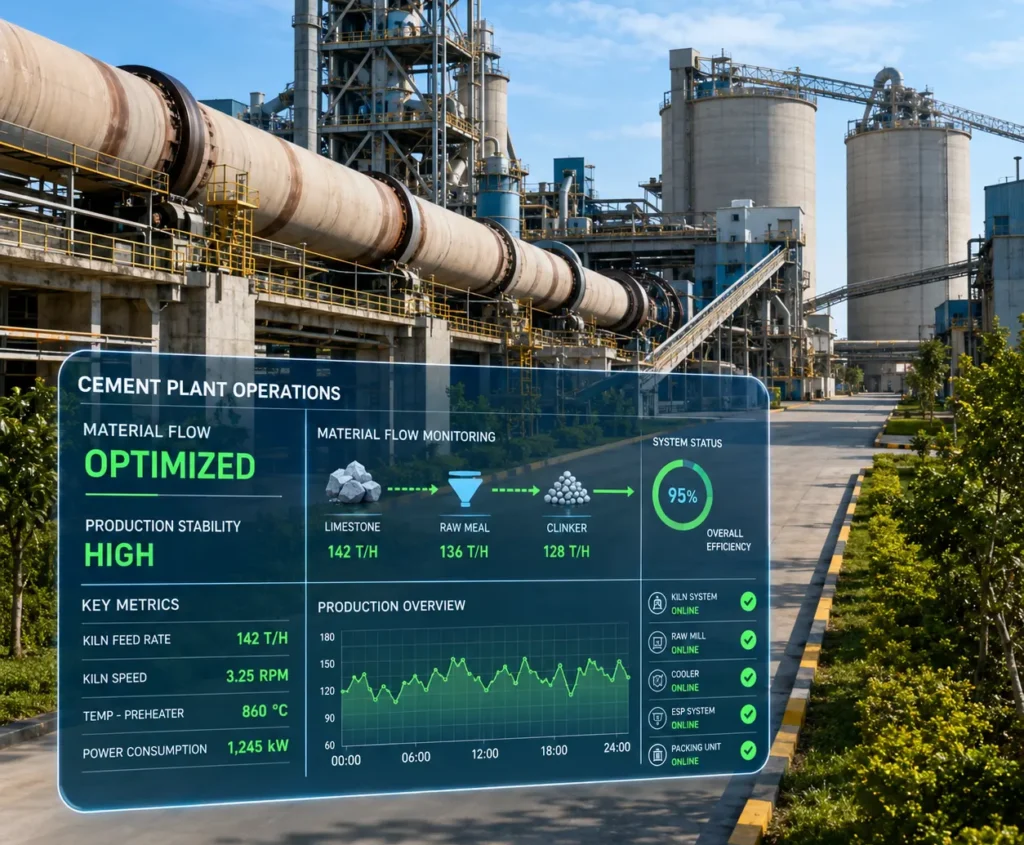
Supporting Industrial Growth Through Better Operational Understanding
As manufacturing facilities expand, operational complexity grows with them. New production lines, larger workforces, increased material movement, and higher production volumes require greater coordination across the plant.
By integrating Computer Vision, AI Video Analytics, Edge Analytics, Real-Time Analytics, AI Dashboards, and Operational Intelligence, organisations can develop a clearer understanding of how production systems, people, equipment, and logistics interact every day. These insights support safer workplaces, more reliable production, stronger Quality Management, and better-informed operational planning.
Instead of simply monitoring industrial activities, AI enables cement plants, steel mills, and heavy engineering facilities to create manufacturing environments where operational consistency becomes a measurable and continuously improving business capability.
FAQs
How can AI help maintain production consistency in heavy industries?
AI continuously observes production activities, material movement, and operational workflows to identify variations that may affect manufacturing stability before they become larger operational issues.
Can Computer Vision improve coordination between production and maintenance teams?
Yes. Visual operational insights help maintenance teams understand equipment usage patterns while allowing production teams to plan maintenance with minimal disruption to manufacturing schedules.
How does AI support quality management in steel and engineering plants?
AI assists by monitoring process execution, verifying operational procedures, and identifying workflow variations that may contribute to inconsistent manufacturing outcomes.
Which operational areas benefit most from AI-powered monitoring?
Raw material handling, production lines, heavy equipment zones, fabrication workshops, storage yards, dispatch operations, and maintenance areas all benefit from continuous AI-based monitoring.
Why is visual operational data valuable alongside SCADA and PLC systems?
While SCADA and PLCs provide machine and process data, Computer Vision explains what is happening around equipment, personnel, and workflows, giving plant managers a more complete understanding of overall plant operations.