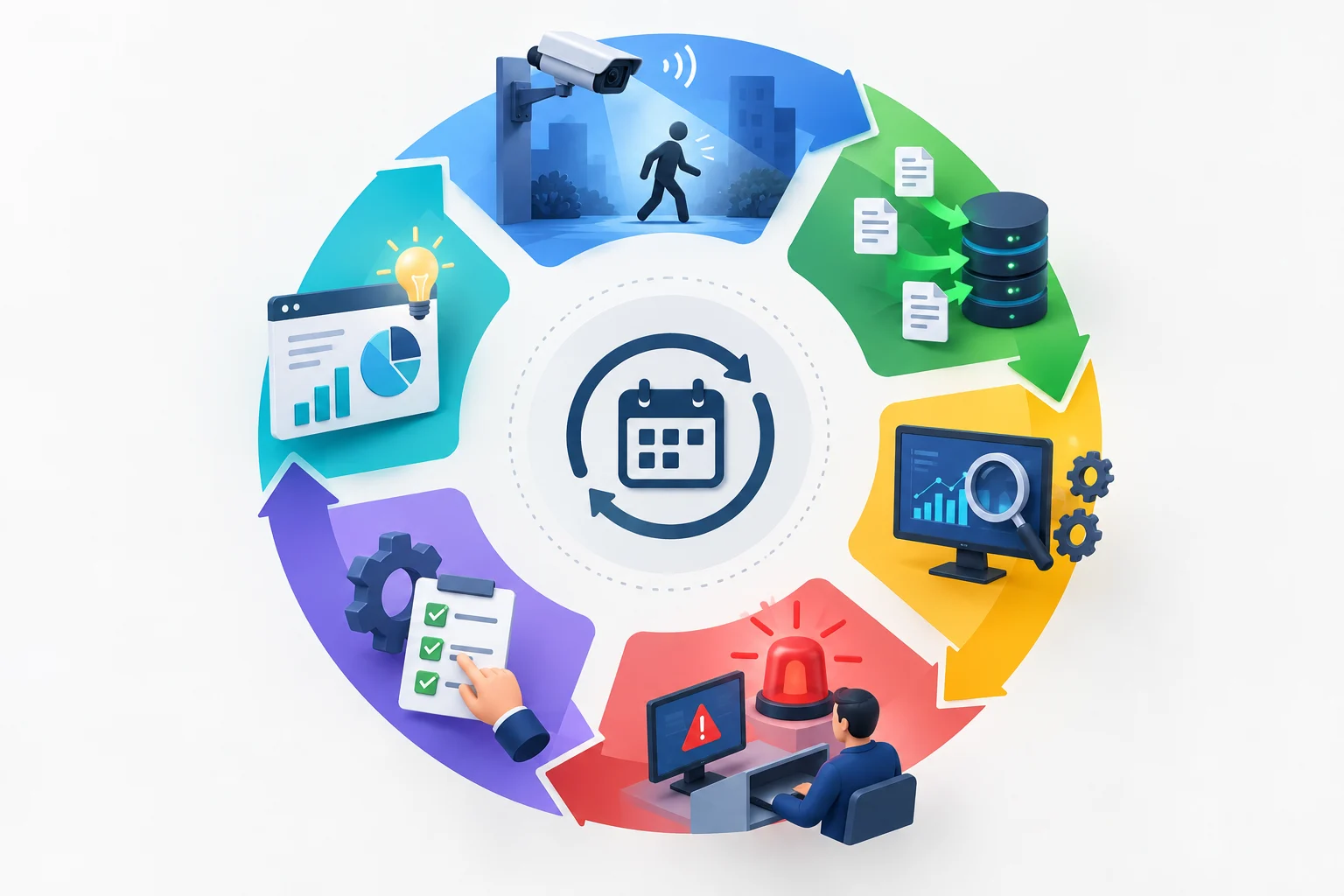
Event Lifecycle describes the stages an event goes through from the moment it is generated until it is processed, acted upon, and completed. It typically begins when an activity or change occurs, followed by capturing and processing the event, analyzing its information, triggering a response, and recording the outcome. Managing these stages helps systems handle events consistently and ensures important activities are not missed.
For example, when an online customer places an order, the event is created, received by the system, validated, and processed by services such as inventory and payment. A confirmation may then be sent and the event recorded for future reference. Understanding the Event Lifecycle helps organizations improve reliability, monitor processes, automate responses, troubleshoot issues, and maintain a clear record of important system activities.