
AI Smoke and Fire Detection in Manufacturing Plants
Operational Hazard Intelligence
Manufacturing facilities operate with high-temperature equipment, electrical systems, combustible materials, chemicals, and continuous production processes where minor hazards can rapidly develop into major incidents. While conventional fire protection systems play a critical role in emergency response, organisations increasingly require earlier awareness of developing risks before they disrupt operations. Operational Hazard Intelligence is a proactive framework that assesses operational situations, continuously detects possible dangers, and facilitates prompt intervention. This strategy is strengthened by AI Fire & Smoke Detection, which assists businesses in identifying new threats sooner, safeguarding vital resources, and preserving continuous, safe production processes.
Executive Summary
A leading manufacturing organisation sought to strengthen fire safety and operational resilience across its production facilities. Although conventional fire alarm and suppression systems were already installed, management recognised that identifying developing hazards at the earliest possible stage could significantly reduce operational disruption, protect critical assets, and improve workforce safety.
SPGS supported the organisation in adopting Operational Hazard Intelligence by introducing AI Fire & Smoke Detection into key production and utility areas. The initiative enhanced early hazard recognition, improved situational awareness, and enabled operational teams to respond more effectively before incidents escalated into production interruptions or safety emergencies.
Customer Profile
Industry: Manufacturing (Anonymous)
Project Scope
- Multiple production buildings
- Utility and electrical rooms
- Raw material storage areas
- Warehouse operations
- Production equipment monitoring
- Central safety monitoring
- Continuous 24×7 operational coverage
Operational Environment
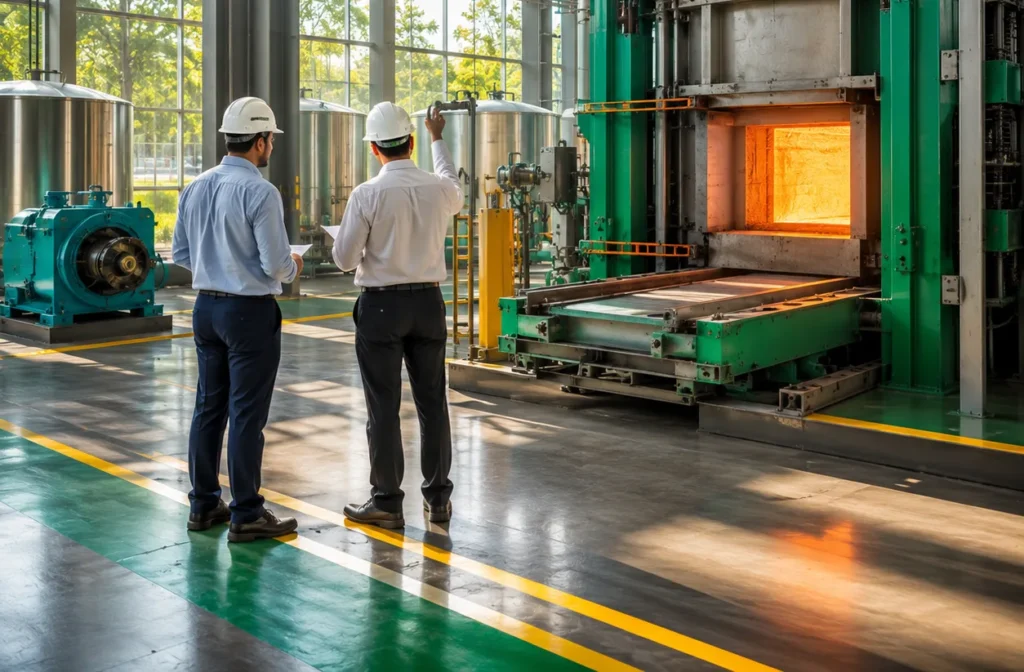
Production lines, electrical installations, material storage spaces, utility equipment, and process operations that produced different degrees of heat and environmental risk were all part of the factory environment. Conventional fire protection systems were designed to respond once predefined alarm conditions were met, while operational teams sought greater visibility into developing hazards that could affect production continuity and workplace safety before emergency situations occurred.
Business Challenges
- Limited visibility into developing fire and smoke hazards.
- Dependence on conventional fire alarm systems.
- Delayed identification of risks in large operational areas.
- Potential production losses resulting from unexpected incidents.
- Protection of critical manufacturing assets.
- Monitoring remote or restricted operational zones.
- Strengthening workplace safety and emergency preparedness.
Project Objectives
- Improve early identification of fire and smoke hazards.
- Strengthen operational risk management.
- Enhance workplace safety.
- Reduce production disruption caused by fire-related incidents.
- Improve response coordination.
- Support continuous operational monitoring.
- Establish an Operational Hazard Intelligence framework.
Recognising Risks Before They Escalate
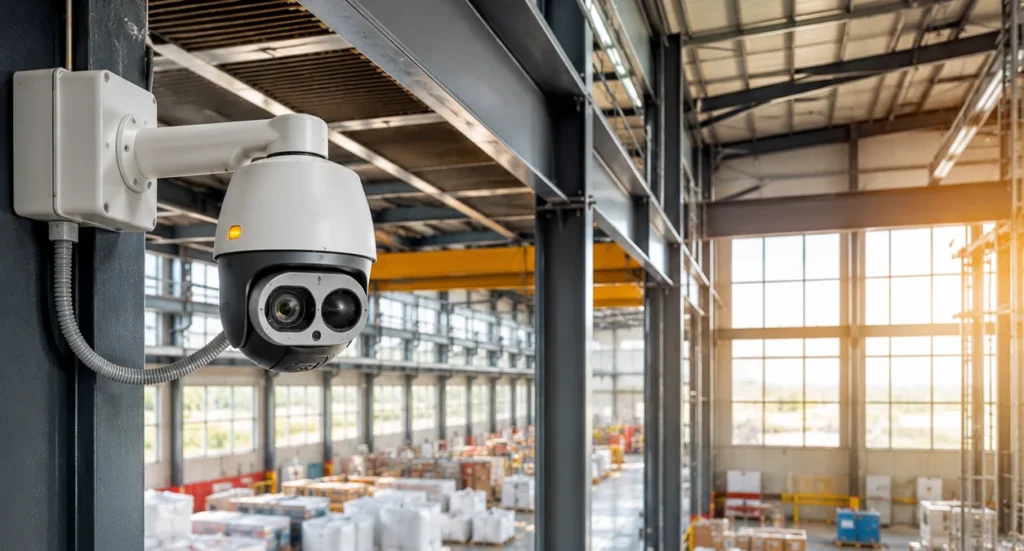
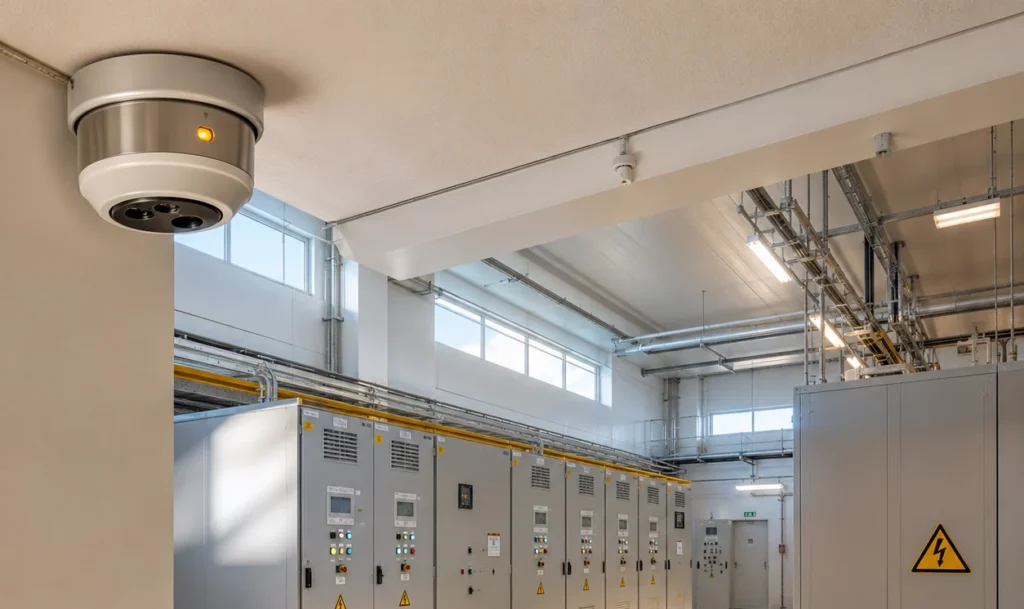
Instead of depending just on emergency response methods, the project concentrated on recognising operational hazards in their early phases. Production areas, storage facilities, electrical rooms, and utility spaces were continuously observed for visible signs of smoke, fire, and abnormal operating conditions. This proactive approach enabled operational teams to investigate potential risks sooner, implement preventive measures, and reduce the likelihood of incidents affecting manufacturing continuity, employee safety, or critical infrastructure.
Solution Architecture
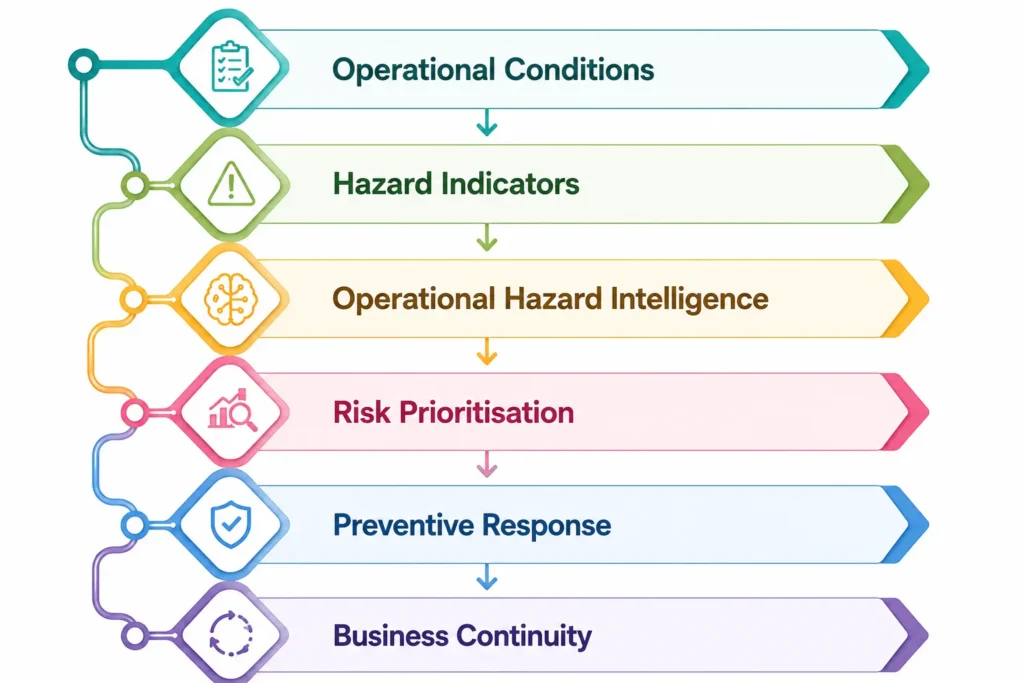
Operational Flow
Operational Technology Ecosystem
Technology | Business Contribution |
AI Smoke and Fire Detection | Early identification of new threats |
Computer Vision | Continuous observation of operational environments |
AI Video Analytics | Detection of abnormal visual events |
Edge AI | Immediate analysis close to production operations |
Industrial IoT | Environmental and equipment monitoring |
Thermal Cameras | Detection of abnormal heat conditions where applicable |
Enterprise AI Dashboard | Central operational awareness |
SCADA | Process and equipment context |
REST APIs | Enterprise integration |
Operational Decision Intelligence
The solution supported operational and safety teams by answering critical business questions:
- Which operational areas show early signs of fire or smoke?
- Are abnormal environmental conditions developing?
- Which production zones require immediate investigation?
- Where should emergency resources be prioritised?
- Are critical assets exposed to increasing operational risks?
- Can production continue safely during developing incidents?
- Which hazards require preventive action before escalation?
Implementation Methodology
The programme began with a comprehensive hazard assessment covering production processes, utility systems, storage areas, and critical infrastructure. Observation zones were identified based on operational risk, production criticality, and facility layout. AI-driven fire and smoke detection capabilities were then introduced through a phased deployment, allowing operational teams to validate detection performance, establish response procedures, and integrate early hazard awareness into existing safety and emergency management practices.
Enterprise Integrations
System | Business Contribution |
Fire Alarm System | Emergency notification |
SCADA | Operational process context |
Building Management System | Facility monitoring |
Industrial IoT | Environmental sensing |
Enterprise AI Dashboard | Operational awareness |
REST APIs | Enterprise interoperability |
ROI & Business Value
By enhancing the organization’s capacity to identify risks before they developed into operational emergencies, the program increased industrial resilience. Earlier intervention, reduced production interruptions, improved protection of high-value assets, and better coordination between operational and emergency response teams contributed to measurable business value while reinforcing workplace safety and operational continuity.
Future Roadmap
The organisation plans to extend Operational Hazard Intelligence through:
- Predictive Hazard Analytics
- Thermal Risk Assessment
- Vision-Language Models
- Digital Twins
- AI-Assisted Emergency Response
- Enterprise Risk Dashboards
Related Industry Pages
- Manufacturing
- Process Industries
- Chemical Processing
- Food & Beverage Manufacturing
- Pharmaceuticals
Business Outcomes
- Early detection of emerging smoke and fire risks.
- Improved operational risk awareness.
- Faster response to potential safety incidents.
- Reduced likelihood of production disruption.
- Better protection of personnel and manufacturing assets.
- Improved coordination between operations and safety teams.
- Enhanced business continuity.
- Stronger operational resilience.
Related Technology Pages
- AI Fire & Smoke Detection
- Computer Vision
- AI Video Analytics
- Edge AI
- Industrial IoT
- Thermal Imaging
- Enterprise AI Dashboards
Contact SPGS
Manufacturers seeking to strengthen operational resilience can partner with SPGS to introduce AI-driven fire and smoke detection alongside existing safety infrastructure. By combining Computer Vision, AI Video Analytics, Edge AI, and Industrial AI, we help organisations identify developing hazards earlier, improve emergency preparedness, protect critical assets, and maintain safe, uninterrupted manufacturing operations.