
AI-Powered Risk Detection and Incident Prevention
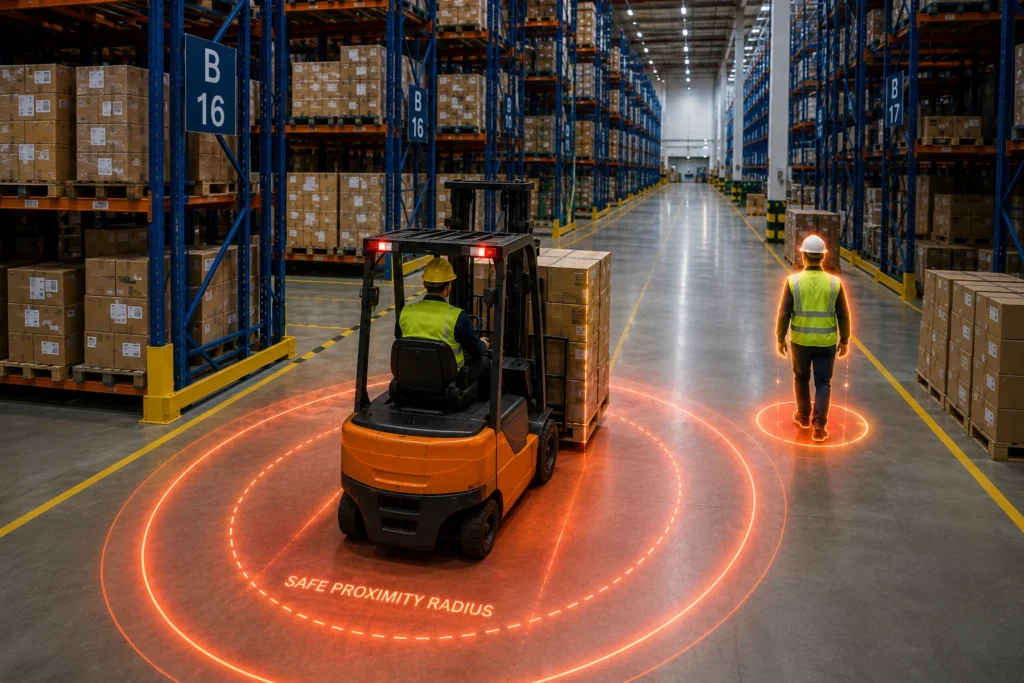
A near miss is often the most valuable operational event an organization never fully investigates. A forklift narrowly avoids a pedestrian, an operator enters a restricted zone for a few seconds, or smoke appears briefly before disappearing. While these situations may not result in an accident, they expose weaknesses that can lead to larger incidents if left unaddressed.
Modern enterprises are moving away from reactive safety management and adopting AI-powered systems that identify risks as they emerge. By combining Computer Vision, AI Video Analytics, and Edge AI, organizations gain continuous awareness of their operational environment and can intervene before small issues become major disruptions.
From Visual Data to Operational Decisions
Every camera captures thousands of visual events daily. AI transforms these observations into operational intelligence through a structured decision process.
Observe → Live video is analyzed continuously.
Recognize → Computer Vision identifies people, vehicles, equipment, and workplace activities.
Assess → AI evaluates whether observed behavior aligns with operational policies.
Respond → Relevant teams receive evidence-based alerts with location, timestamp, and event details.
Improve → Operational trends are reviewed to strengthen procedures and reduce future risks.
Instead of overwhelming operators with video, AI delivers meaningful information that supports faster decisions.
Every Facility Has Hidden Risk Signals
Operational risks rarely appear in isolation. They develop through everyday activities across multiple locations.
Operational Area | Early Risk Indicators |
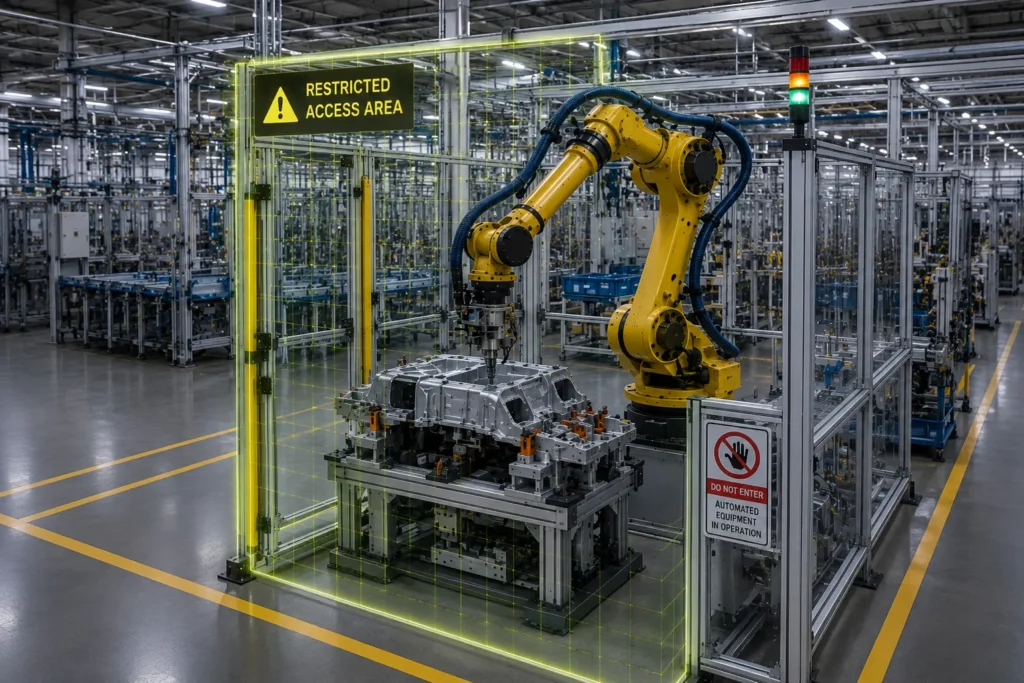
Production Lines | Equipment congestion, unsafe machine interaction |
Warehouses | Forklift route conflicts, blocked aisles |
Loading Docks | Unsafe loading practices, unauthorized access |
Corporate Offices | Visitor access anomalies, emergency exit obstructions |
Healthcare Facilities | Restricted-area breaches, patient safety concerns |
Energy Sites | Hazard zone violations, unsafe equipment proximity |
Recognizing these signals early enables organizations to take preventive action before operations are affected.
Looking Beyond Traditional Incident Reporting
Most organizations document incidents after they occur. While reports are valuable, they often answer only one question: What happened?
AI-powered monitoring shifts the focus to questions that are more valuable for operational improvement:
- Which risks are increasing?
- Where do unsafe behaviors occur most frequently?
- Which departments experience recurring compliance issues?
- What operational patterns indicate future incidents?
- Which corrective actions reduce repeat violations?
This proactive perspective helps organizations manage risk instead of simply recording it.
Building a Smarter Risk Response Strategy
Not every operational issue requires the same level of response. Intelligent platforms prioritize events according to business impact.
Event Type | Typical Response |
Critical safety hazards | Immediate notification and escalation |
Compliance deviations | Supervisor review and corrective action |
Operational inefficiencies | Workflow optimization |
Repeated low-risk events | Trend analysis and preventive planning |
This structured approach helps organizations allocate resources efficiently while maintaining continuous operational awareness.
Risk Prevention Across Enterprise Operations
AI-powered monitoring supports different operational objectives across industries.
Manufacturing
Monitor production flow, machine interaction, hazardous work areas, and Workplace Safety to reduce downtime and improve operational consistency.
Warehousing and Logistics
Analyze forklift movement, loading activities, inventory handling, and pedestrian safety through Real-Time Analytics.
Retail and Commercial Facilities
Monitor occupancy, customer movement, restricted areas, and emergency exits to improve both operational efficiency and safety.
Transportation and Infrastructure
Detect unsafe vehicle movement, platform congestion, and restricted access to support continuous operations.
Energy and Utilities
Monitor critical operational zones, safety barriers, and high-risk environments where rapid response is essential.
Measuring Prevention Instead of Counting Incidents
Organizations increasingly evaluate operational performance using preventive indicators rather than incident totals.
Important business metrics include:
- Risks identified before escalation
- Average response time
- Repeat incident reduction
- Compliance improvement rate
- Workplace Safety performance
- Operational efficiency gains
- Resource utilization improvements
These measurements provide a clearer picture of organizational resilience than incident counts alone.
Turning Insights Into Continuous Improvement
AI delivers lasting value when operational insights lead to measurable action.
Successful organizations typically:
- Review recurring operational trends.
- Update standard operating procedures based on observed risks.
- Improve employee training using real operational scenarios.
- Refine AI detection models as business processes evolve.
- Share operational insights across multiple facilities.
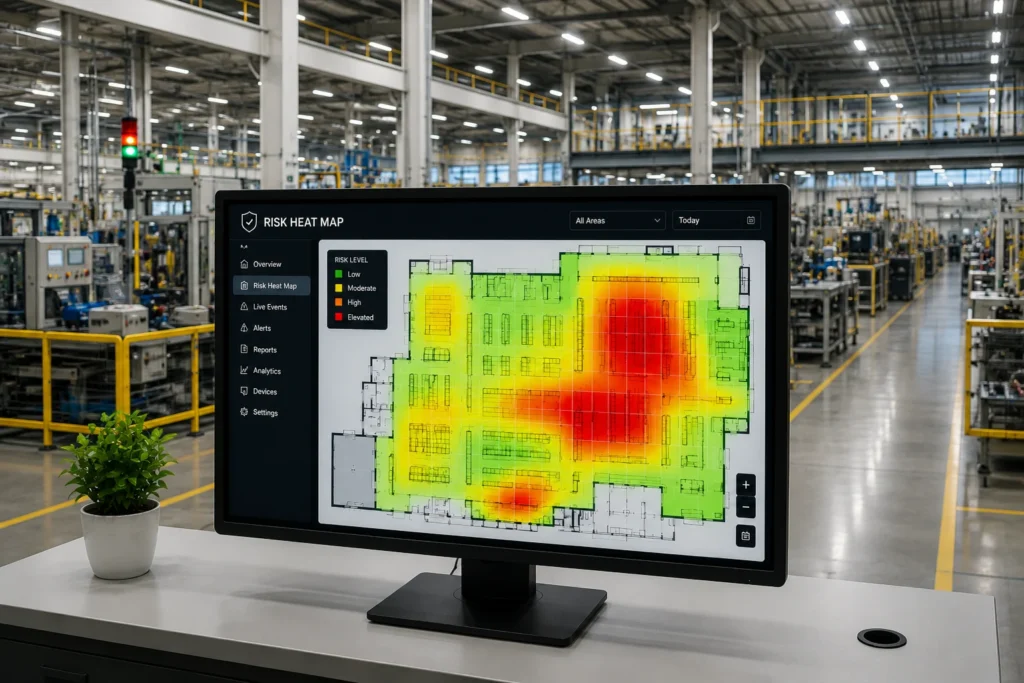
- Measure improvements through centralized AI Dashboards.
This creates a cycle where every detected risk contributes to stronger operational performance.
Building Safer and More Resilient Operations
Risk prevention is no longer limited to scheduled inspections or manual supervision. AI-powered risk detection enables organizations to monitor operations continuously, recognize emerging hazards, and respond with confidence before incidents occur. By integrating AI Video Analytics, Computer Vision, Operational Intelligence, Compliance Monitoring, and Enterprise AI, businesses can strengthen workplace safety, improve operational reliability, reduce unnecessary disruptions, and build a culture focused on prevention rather than reaction.
Frequently Asked Questions
What is AI-powered risk detection?
AI-powered risk detection uses Computer Vision and AI Video Analytics to continuously identify unsafe conditions, abnormal activities, and operational risks from live video.
How is incident prevention different from incident response?
Incident prevention focuses on identifying warning signs before an event occurs, while incident response addresses situations after they have already happened.
Can AI detect recurring operational risks?
Yes. AI analyzes historical and real-time data to identify recurring patterns, helping organizations address root causes rather than isolated events.
Which industries benefit most from AI-powered risk detection?
Manufacturing, logistics, healthcare, retail, transportation, energy, construction, education, and corporate facilities all benefit from proactive monitoring.
What business outcomes can organizations expect?
Organizations typically achieve improved workplace safety, faster operational response, stronger compliance, reduced downtime, better resource utilization, and more informed decision-making.