
Top 10 Benefits of AI Video Analytics for Businesses
Organizations are generating more operational data than ever before, yet many still struggle to convert that information into timely business decisions. Traditional surveillance systems record events, but they often require manual review before meaningful action can be taken. As operations become more complex, businesses need technology that not only observes activity but also interprets it in real time.
AI video analytics addresses this challenge by transforming live video streams into operational intelligence. It helps organizations improve safety, increase productivity, strengthen compliance, and make faster decisions across multiple locations.
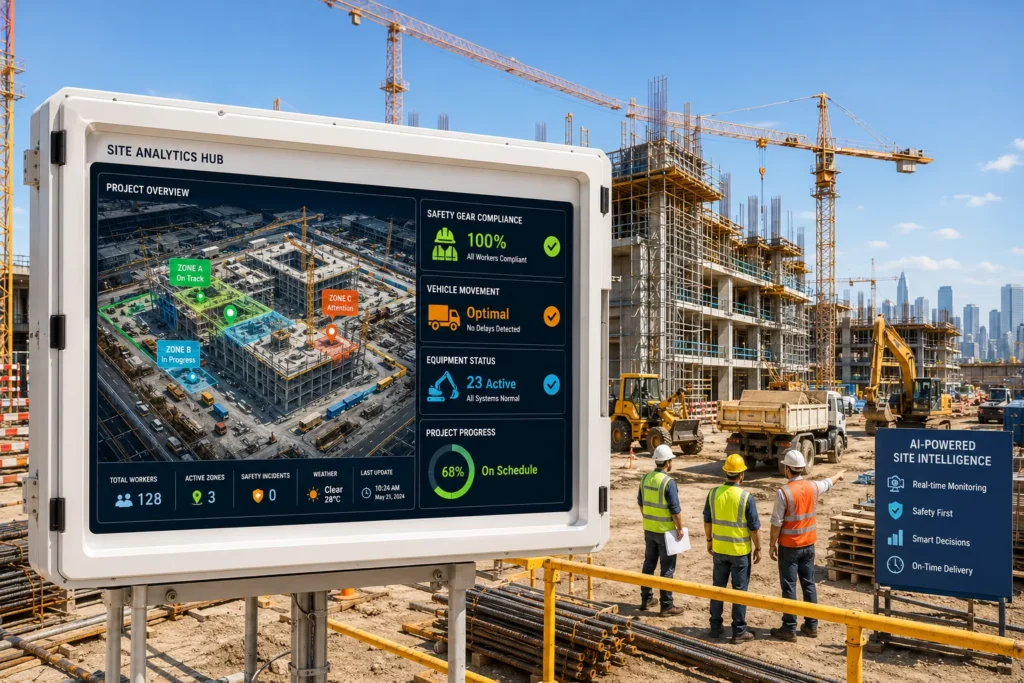
Top 10 Business Benefits
- Improves Workplace Safety
AI continuously monitors safety-related activities such as PPE usage, restricted area access, unsafe movements, and hazardous conditions. Immediate alerts help supervisors respond before incidents escalate.
- Strengthens Compliance Monitoring
Organizations can automatically verify adherence to standard operating procedures, workplace policies, and operational guidelines, reducing reliance on manual inspections.
- Enables Faster Incident Response
Instead of reviewing hours of recorded footage, AI detects unusual events in real time and notifies responsible teams immediately, reducing response times.
- Increases Operational Visibility
Managers gain a live view of activities across multiple facilities through centralized dashboards, enabling better coordination and faster decision-making.
- Improves Workforce Productivity
AI identifies workflow interruptions, equipment idle time, queue formation, and process bottlenecks, allowing teams to optimize daily operations.
- Optimizes Resource Utilization
Real-time operational data helps organizations allocate employees, equipment, and facility resources more efficiently based on actual demand.
- Supports Multi-Site Management
Organizations operating several locations can monitor performance from a single platform, compare operational metrics, and maintain consistent standards across every facility.
- Reduces Manual Monitoring
Instead of requiring operators to watch multiple camera feeds continuously, AI highlights only meaningful operational events, allowing teams to focus on higher-value activities.
- Provides Actionable Business Intelligence
Operational events are converted into dashboards, trend reports, and performance metrics that support planning, continuous improvement, and executive decision-making.
- Accelerates Digital Transformation
AI video analytics integrates with enterprise systems to support automation, operational intelligence, and data-driven business strategies, helping organizations modernize operations without disrupting existing workflows.
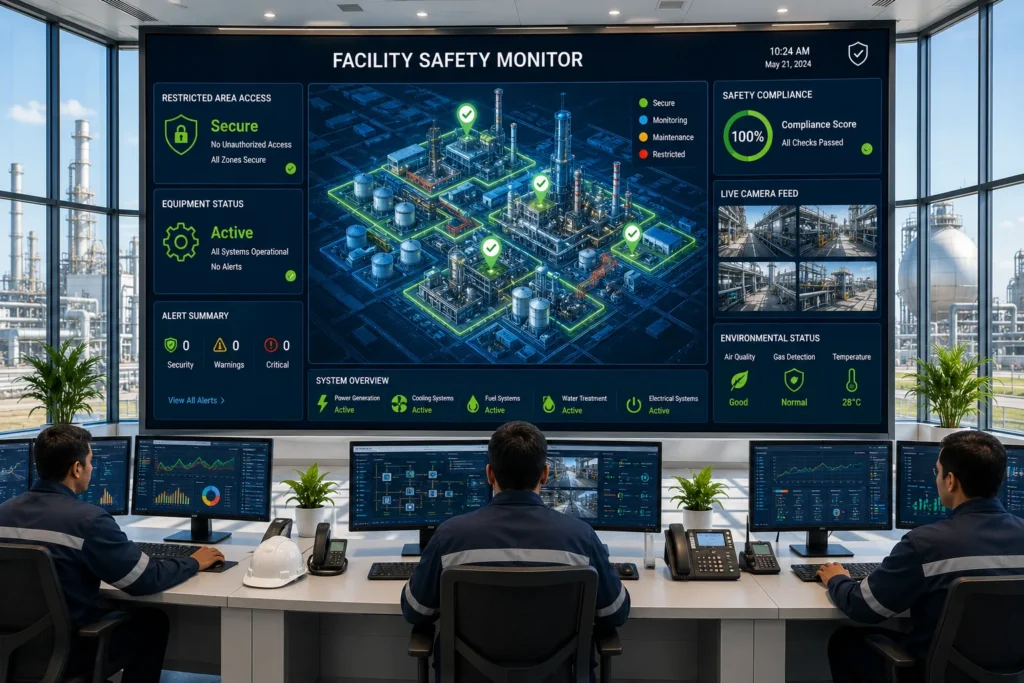
Why Businesses Are Adopting AI Video Analytics
Modern enterprises manage manufacturing facilities, warehouses, retail stores, logistics hubs, healthcare environments, and corporate campuses simultaneously. Manual monitoring alone cannot provide continuous visibility across these operations.
AI video analytics continuously analyzes live activities using computer vision and edge AI, automatically identifying operational events that require attention while generating valuable business insights.
Traditional Monitoring vs AI Video Analytics
Traditional Video Monitoring | AI Video Analytics |
Records events for later review | Analyzes activities in real time |
Manual video investigation | Automated event detection |
Limited operational insight | Actionable business intelligence |
Reactive incident management | Proactive operational monitoring |
Isolated camera views | Enterprise-wide operational visibility |
Business Outcomes Beyond Surveillance
Organizations implementing AI video analytics often experience:
- Improved workplace safety
- Faster operational decisions
- Better compliance verification
- Reduced operational delays
- Higher process consistency
- Increased productivity
- Better equipment utilization
- Improved multi-site visibility
- Reduced manual monitoring effort
- Stronger support for enterprise AI initiatives
These outcomes allow businesses to move from reactive operations to continuous operational improvement.
Industries That Benefit Most
AI video analytics delivers measurable value across a wide range of industries, including:
- Manufacturing
- Warehousing and distribution
- Logistics and transportation
- Retail and supermarkets
- Healthcare facilities
- Construction sites
- Energy and utilities
- Corporate offices
- Airports and ports
- Smart city infrastructure
Although each industry has unique operational requirements, the common advantage is continuous visibility into everyday business activities.
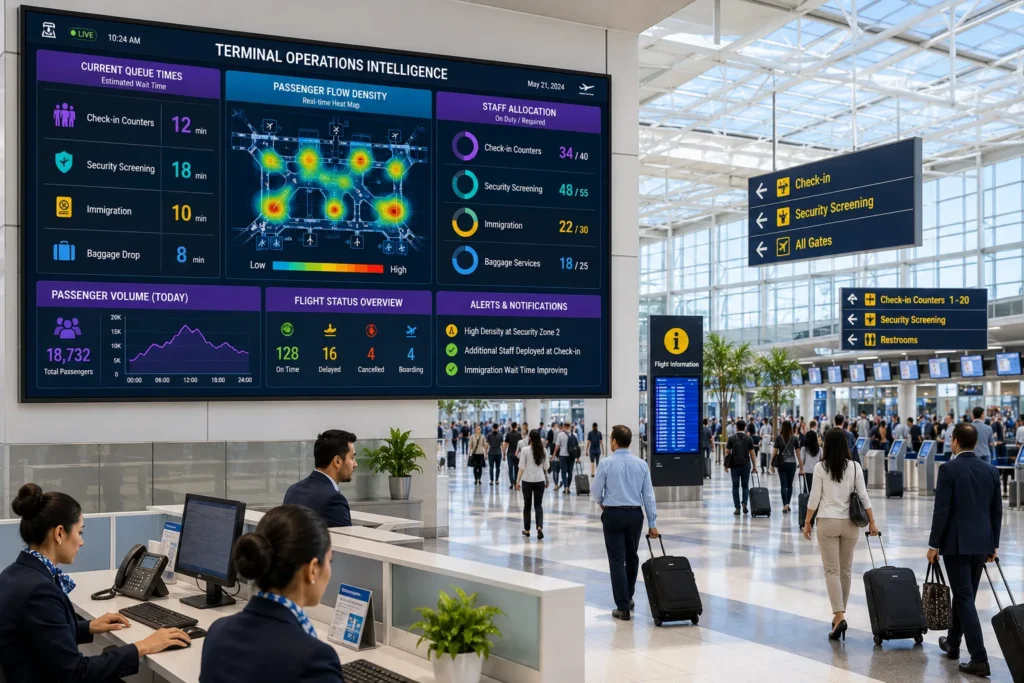
Creating Smarter and More Efficient Operations
AI video analytics has evolved from a security tool into a valuable source of operational intelligence. By continuously analyzing workplace activities, organizations gain the visibility needed to improve safety, optimize resources, strengthen compliance, and support faster business decisions. Enterprises that use operational insights proactively are better positioned to achieve sustainable efficiency, stronger performance, and long-term business growth.
Frequently Asked Questions
What is AI video analytics?
AI video analytics uses artificial intelligence and computer vision to automatically analyze live video streams and generate operational insights in real time.
How does AI video analytics differ from traditional surveillance?
Traditional surveillance records footage for later review, while AI video analytics continuously detects events, identifies operational patterns, and generates actionable alerts.
Can AI video analytics improve business productivity?
Yes. It helps identify workflow bottlenecks, equipment downtime, resource utilization issues, and operational inefficiencies that affect productivity.
Which business processes can AI monitor?
AI can monitor workplace safety, compliance, production workflows, inventory movement, occupancy, vehicle movement, loading operations, queue management, and many other operational activities.
Is AI video analytics suitable for multi-site enterprises?
Yes. Centralized dashboards allow organizations to monitor multiple facilities, compare operational performance, and maintain consistent operational standards across locations.