
How AI Is Transforming Enterprise Operations
At 9:00 a.m., a production manager receives an alert about an unexpected machine slowdown. At the same moment, a warehouse supervisor is notified of congestion at a loading dock, while a retail operations team identifies unusually long checkout queues. Although these events occur in different locations, they share one characteristic: every decision depends on timely operational visibility.
For many enterprises, information is scattered across cameras, sensors, machines, spreadsheets, and standalone software. Teams spend valuable time collecting data before they can solve problems. Artificial intelligence is changing this approach by connecting operational data, identifying patterns in real time, and helping organizations respond before small issues become larger business risks.
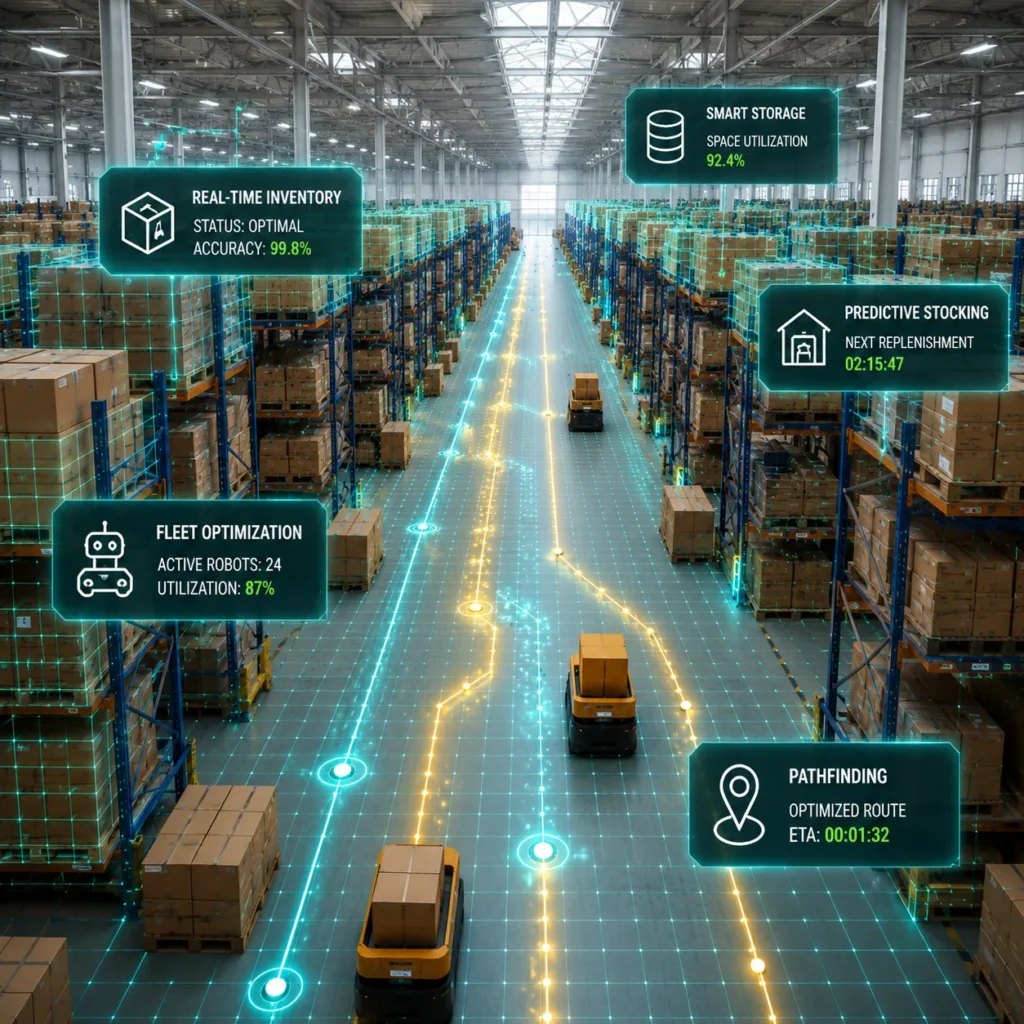
From Data Collection to Intelligent Decisions
Traditional operations often focus on recording information for future analysis. AI changes this model by continuously interpreting live operational data and highlighting what requires immediate attention.
Instead of asking, “What happened yesterday?”, organizations can answer:
- What is happening right now?
- Which location needs attention first?
- Are safety procedures being followed?
- Where are operational bottlenecks forming?
- Which trends require preventive action?
This shift enables faster and more informed operational decisions.
A Typical Enterprise Without AI
Many organizations experience similar operational challenges despite operating in different industries.
Daily Challenge | Operational Impact |
Manual monitoring | Delayed response to incidents |
Multiple disconnected systems | Limited operational visibility |
Reactive maintenance | Increased downtime |
Paper-based compliance | Slow audits and reporting |
Manual investigations | Time-consuming incident reviews |
Static reports | Decisions based on historical data |
As operations expand, these inefficiencies become more difficult to manage consistently.
What Changes When AI Becomes Part of Operations?
Rather than replacing existing systems, AI connects cameras, sensors, machines, and enterprise platforms to create a continuous flow of operational intelligence.
Examples include:
- AI Video Analytics identifying safety risks
- Computer Vision monitoring production activities
- Edge AI detecting operational events locally
- Real-Time Analytics tracking performance metrics
- AI Dashboards providing centralized visibility
- AI Automation reducing repetitive monitoring tasks
The result is a connected operational environment where information is available when it is needed most.
Where Enterprises See the Greatest Impact
Manufacturing
Production teams monitor equipment health, Workplace Safety, production flow, and quality checkpoints while reducing manual inspections.
Warehousing and Logistics
Distribution centers improve inventory movement, forklift safety, loading dock coordination, and operational efficiency through continuous Event Monitoring.
Retail
Retail operators analyze customer movement, queue lengths, shelf availability, and store performance to improve service levels and resource allocation.
Healthcare
Hospitals gain better visibility into patient flow, restricted areas, equipment utilization, and operational compliance while supporting staff productivity.
Corporate Campuses
Organizations use Intelligent Operations to monitor building occupancy, visitor access, workplace safety, and facility management across multiple locations.
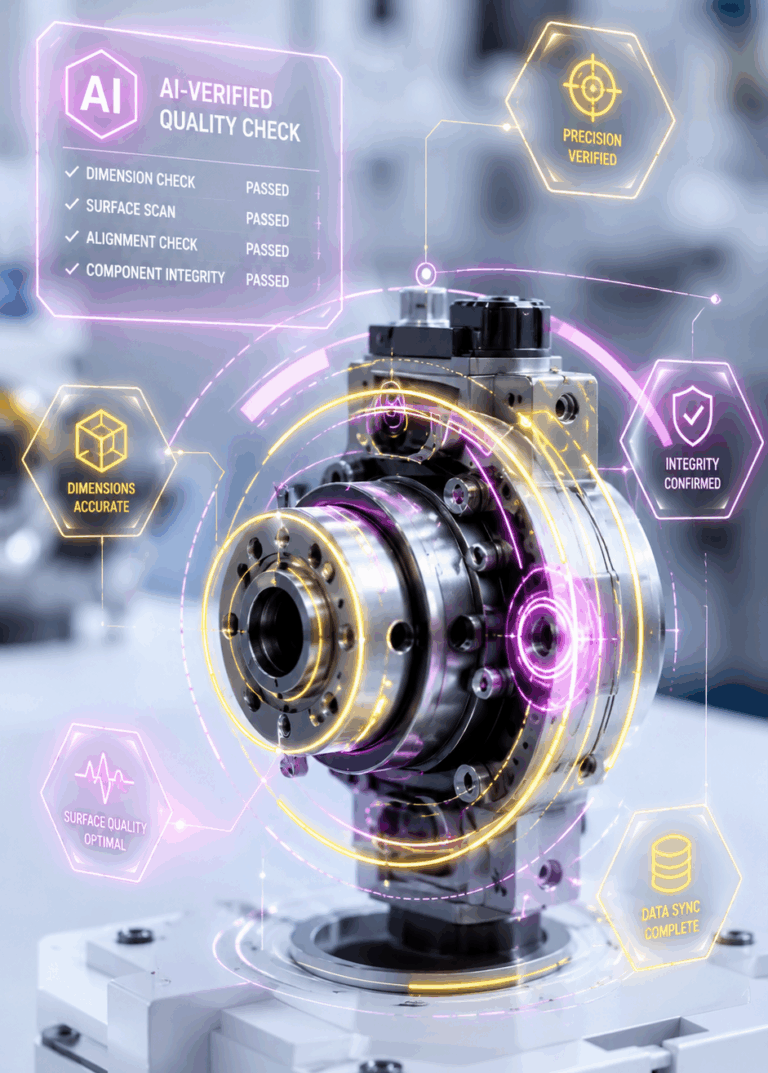
Turning Operational Events Into Business Insights
The true value of AI lies not only in detecting events but in understanding recurring operational patterns.
For example, repeated safety alerts near the same production station may indicate a workflow issue rather than individual employee behavior. Similarly, recurring delays at a warehouse loading dock may reveal scheduling inefficiencies instead of staffing shortages.
By identifying trends over time, enterprises can:
- Improve resource planning
- Optimize operational workflows
- Reduce recurring incidents
- Strengthen Compliance Monitoring
- Support continuous improvement initiatives
This transforms operational data into strategic business knowledge.
Measuring Operational Improvements
Organizations implementing Enterprise AI commonly focus on measurable outcomes rather than technology alone.
Business Objective | Operational Benefit |
Faster event detection | Quicker response to operational issues |
Continuous monitoring | Better operational visibility |
AI-assisted workflows | Reduced manual effort |
Predictive insights | Improved planning and resource allocation |
Centralized dashboards | Faster management reporting |
Intelligent Operations | Better cross-site decision-making |
Success is measured by improved efficiency, consistency, and responsiveness across the enterprise.
Building an AI-Enabled Enterprise
Successful AI adoption begins with operational priorities instead of technology selection.
A practical roadmap includes:
- Identifying repetitive operational challenges.
- Selecting high-impact use cases.
- Integrating AI with existing business systems.
- Establishing measurable performance indicators.
- Expanding deployments gradually across departments.
- Reviewing analytics to support continuous optimization.
A phased approach allows organizations to generate measurable value while minimizing operational disruption.
Creating More Connected Operations
Artificial intelligence is reshaping enterprise operations by helping organizations move from fragmented monitoring to connected decision-making. Whether improving Workplace Safety, enhancing Compliance Monitoring, optimizing production, or increasing operational visibility, AI provides the intelligence needed to manage complex environments more effectively. By combining Computer Vision, AI Video Analytics, Edge AI, and Operational Intelligence, enterprises can create operations that are more responsive, efficient, and prepared for future growth.
FAQ
What does Enterprise AI mean in operational environments?
Enterprise AI refers to the use of artificial intelligence across business operations to automate monitoring, analyze operational data, and improve decision-making.
Which departments benefit from Enterprise AI?
Manufacturing, logistics, retail, quality assurance, safety, facilities management, healthcare, and corporate operations can all benefit from AI-driven insights.
Does AI replace existing enterprise systems?
No. AI typically integrates with existing cameras, sensors, ERP systems, and operational software to enhance visibility and automate analysis.
How does AI improve operational efficiency?
AI reduces manual monitoring, identifies issues earlier, automates repetitive tasks, and provides real-time insights that support faster decisions.
What is the first step in adopting Enterprise AI?
The best starting point is identifying operational processes where manual monitoring, delayed reporting, or recurring inefficiencies have the greatest business impact.