
AI Utility Control Room Modernization
Utility Decision Intelligence
Utility operators manage complex networks of generation assets, substations, distribution infrastructure, field operations, maintenance activities, and customer services that must function together without interruption. Maintaining reliable utility services requires more than monitoring individual systems—it depends on understanding how operational activities across the enterprise influence service continuity, infrastructure performance, and operational priorities. Utility Decision Intelligence provides a unified operational perspective that enables utility organisations to coordinate information, improve decision-making, strengthen operational resilience, and support reliable utility services. AI Monitoring enhances this approach by delivering meaningful operational insights that help utility teams respond effectively to changing operational conditions.
Executive Summary
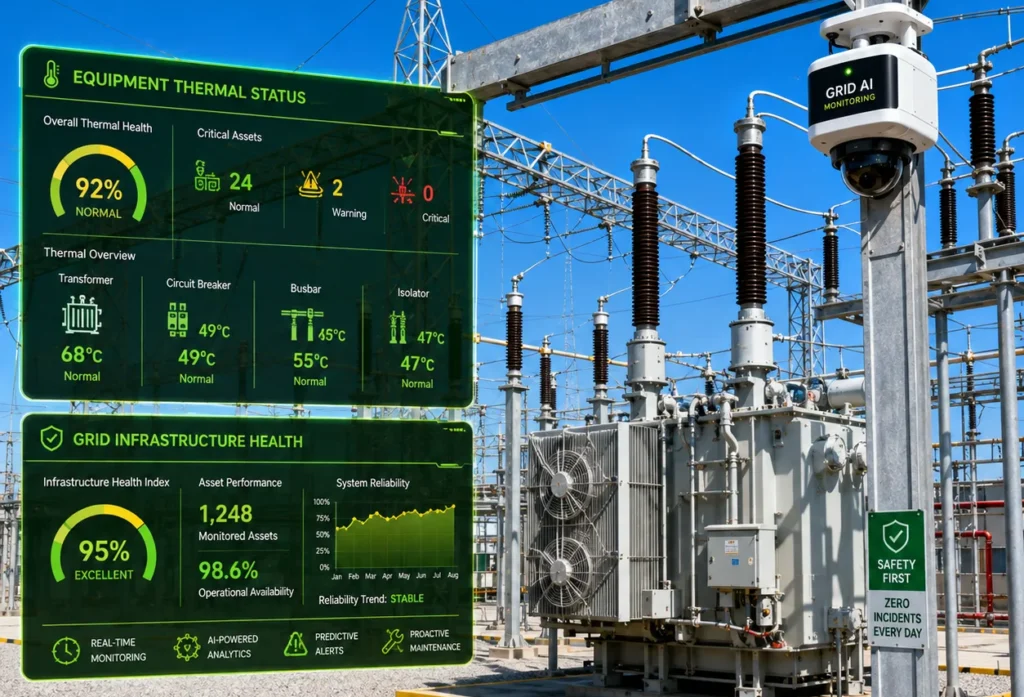
A regional utility provider sought to modernise its central operations environment while improving enterprise-wide operational visibility across power distribution, substations, field operations, and infrastructure management. Existing SCADA platforms effectively monitored network assets and electrical operations, but operational teams relied on multiple independent systems to understand field activities, maintenance operations, infrastructure conditions, and service priorities.
SPGS implemented a Utility Decision Intelligence framework using AI Monitoring to establish a unified operational environment that connected infrastructure operations, field activities, maintenance coordination, and enterprise decision-making. The initiative enabled operators to strengthen situational awareness, improve cross-functional collaboration, and support faster operational decisions without disrupting existing utility operations.
Customer Profile
Industry: Power & Utility Operations (Anonymous)
Project Scope
- Utility control centre
- Electrical substations
- Distribution infrastructure
- Field maintenance operations
- Remote utility facilities
- Service restoration teams
- Enterprise operations centre
- Continuous 24×7 operational oversight
Operational Environment
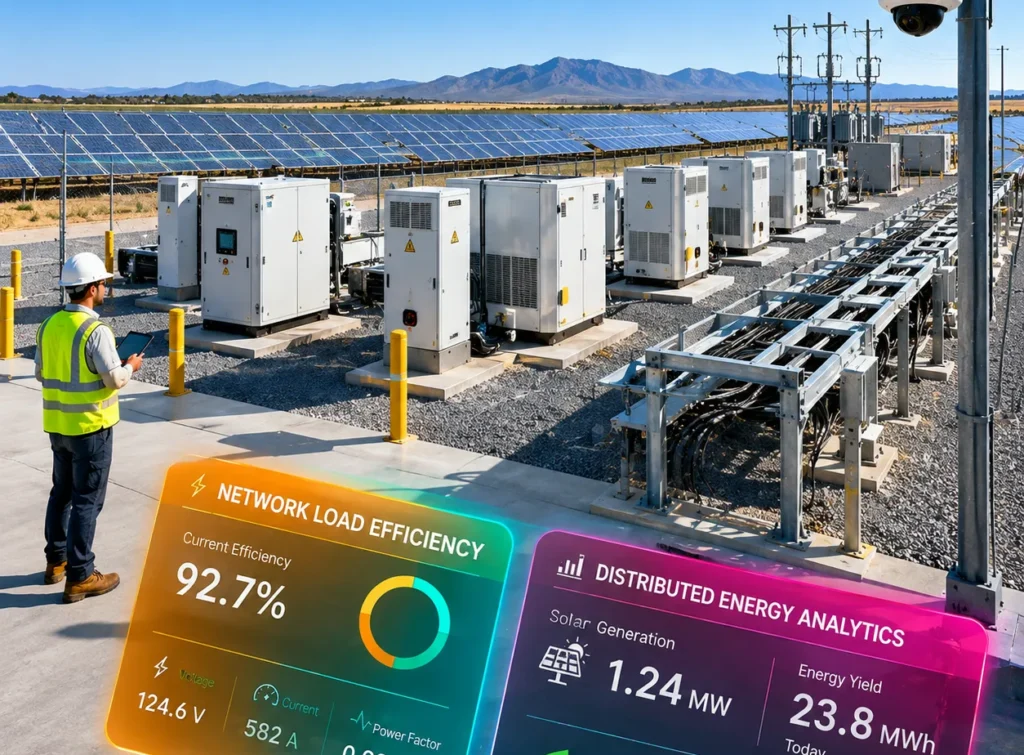
The utility managed geographically distributed infrastructure responsible for delivering reliable services to residential, commercial, and industrial customers. Daily operations involved network supervision, field maintenance, infrastructure inspections, outage management, contractor coordination, and emergency response activities. While operational systems monitored electrical assets and network performance, coordinating enterprise-wide operational decisions required greater visibility into the broader operational landscape.
Business Challenges
- Coordinating enterprise-wide utility operations.
- Improving operational visibility across distributed infrastructure.
- Strengthening collaboration between control room and field teams.
- Supporting faster operational decision-making.
- Improving infrastructure coordination.
- Reducing operational response delays.
- Strengthening service continuity.
- Supporting long-term utility resilience.
Project Objectives
- Improve enterprise operational visibility.
- Strengthen utility decision-making.
- Support coordinated infrastructure operations.
- Improve field and control room collaboration.
- Enhance operational resilience.
- Improve service continuity.
- Establish a Utility Decision Intelligence framework.
Transforming Control Rooms into Decision Centres
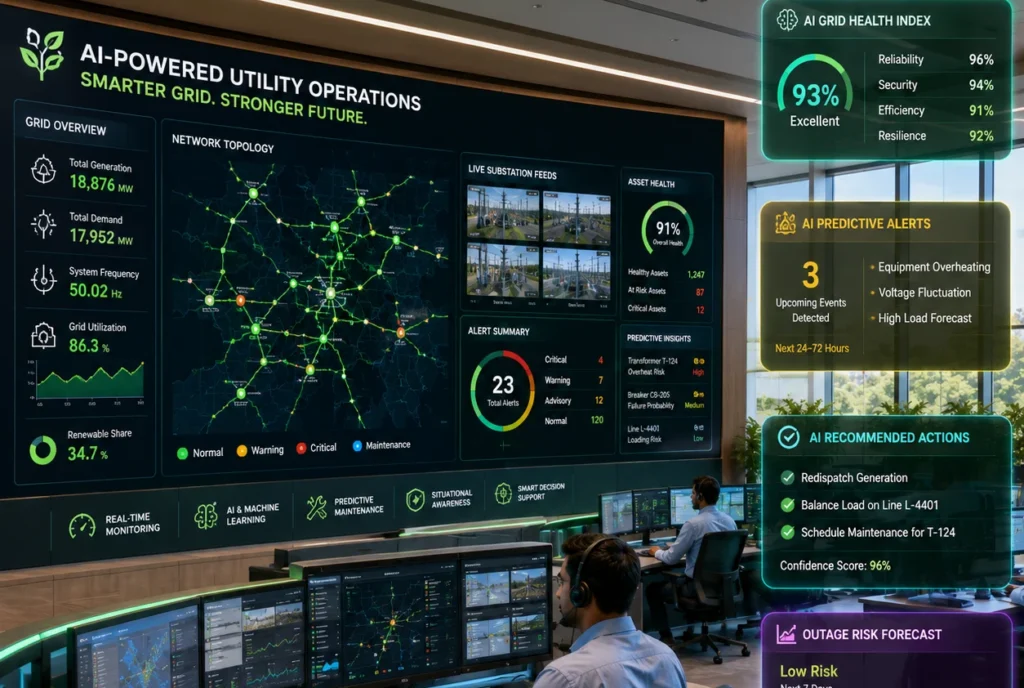
The transformation focused on strengthening enterprise decision-making rather than replacing existing operational systems. Infrastructure operations, field activities, maintenance planning, service restoration, and operational workflows were viewed as interconnected business processes that influenced utility performance. This broader operational perspective enabled utility teams to coordinate information more effectively, prioritise operational actions, improve response planning, and maintain reliable services across the utility network.
Solution Architecture
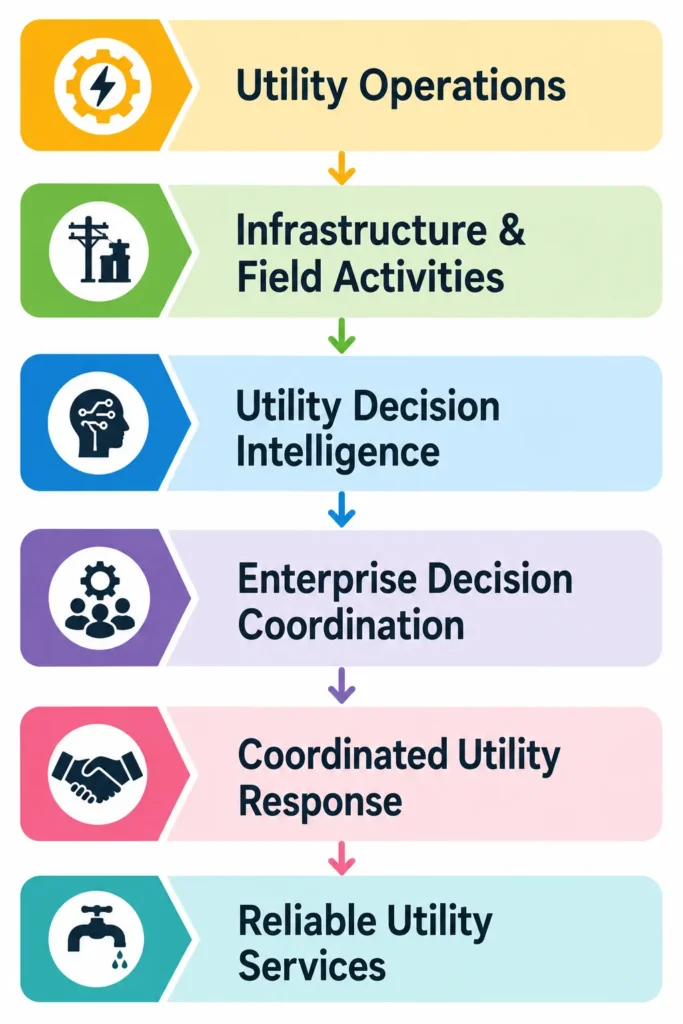
Operational Flow
Operational Technology Ecosystem
Technology | Business Contribution |
AI Monitoring | Continuous visibility across utility operations |
Computer Vision | Observation of infrastructure and field activities |
AI Video Analytics | Identification of operational events and anomalies |
Edge AI | Immediate operational analysis across distributed facilities |
SCADA | Utility network operational context |
Distribution Management System (DMS) | Network operations coordination |
Enterprise AI Dashboard | Unified enterprise operational visibility |
REST APIs | Enterprise interoperability |
Operational Decision Intelligence
The solution supported utility leadership by answering key operational questions:
- Which utility operations require immediate attention?
- Which infrastructure conditions require coordinated action?
- Are field activities progressing according to operational priorities?
- Where should operational resources be deployed?
- Which operational trends influence service reliability?
- How can enterprise teams coordinate more effectively?
- Which decisions should be prioritised to maintain service continuity?
Deployment Approach
The programme began with a comprehensive assessment of utility operations, control room workflows, field coordination, maintenance planning, and operational governance. Critical operational areas, including substations, control centres, distribution infrastructure, field service operations, maintenance facilities, and emergency response teams—were prioritised for phased implementation. AI Monitoring capabilities were integrated alongside existing utility management platforms, enabling operational teams to validate insights, improve decision workflows, and strengthen enterprise coordination without disrupting essential utility services.
Enterprise Integrations
System | Business Contribution |
SCADA | Network operations information |
Distribution Management System (DMS) | Distribution network coordination |
Outage Management System (OMS) | Service restoration management |
Enterprise AI Dashboard | Unified operational visibility |
GIS Platform | Utility asset location intelligence |
REST APIs | Enterprise interoperability |
Business Outcomes
- Improved enterprise operational coordination.
- Enhanced visibility across utility infrastructure.
- Faster operational decision-making.
- Better collaboration between field and control room teams.
- Improved infrastructure resilience.
- More effective resource utilisation.
- Stronger service continuity.
- Greater confidence in enterprise operations.
ROI & Business Value
The initiative strengthened utility operations by improving enterprise-wide coordination between network operations, field services, infrastructure management, and operational planning. Better visibility into interconnected operational activities enabled leadership teams to improve response planning, optimise resource allocation, reduce operational delays, and support more resilient utility services. These improvements contributed to higher operational reliability, improved workforce coordination, and greater long-term value from utility infrastructure.
Future Roadmap
The organisation plans to expand Utility Decision Intelligence through:
- Predictive Utility Operations Analytics
- AI-Assisted Network Planning
- Vision-Language Models for Utility Operations
- Digital Twin Integration for Utility Infrastructure
- Intelligent Workforce Coordination
- Enterprise Utility Performance Dashboards
Related Industry Pages
- Electric Utilities
- Water Utilities
- Gas Distribution
- Renewable Energy Operations
- Smart Grid Infrastructure
- Utility Operations Centres
Related Technology Pages
- AI Monitoring
- Computer Vision
- AI Video Analytics
- Edge AI
- SCADA Integration
- Enterprise AI Dashboards
- Operational Analytics
Contact SPGS
Effective utility operations depend on timely decisions supported by complete operational context rather than isolated system information. SPGS develops AI-enabled operational intelligence solutions that bring together infrastructure, field operations, and enterprise workflows, helping utilities build decision-centric operations that improve coordination, strengthen resilience, and support reliable public services.